
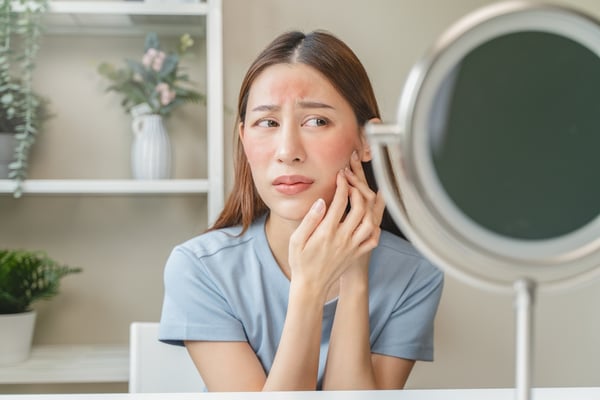
If it seems like your skin is irritated, finicky, or duller than it used to be, it may just be reacting to overtreatment. Despite what you might hear on the internet, adding exotic active ingredients, multiple (or stronger) treatments, and layers upon layers of products on your skin probably won’t give you the results you’re looking for. In other words, more is not always better.
Often, shifting to a simple routine that supports the body’s natural abilities to heal and maintain itself is the best option, but this requires an understanding of what is too much and what is just enough when it comes to skin support. Determining if you’re overtreating your skin and understanding the underlying processes is a good first step.
What happens when skin is overtreated
In the pursuit of healthier-looking skin, many people end up overexfoliating, using harsh ingredients, and attempting to try too many products or methods at once. In smaller amounts, some of these products or procedures might be helpful, depending on your skin type. However, when overused, they cause damage to the top layer of skin, called the skin barrier.
For example, retinoids are popular in anti-aging products, but because they increase cell turnover and reduce oil production, they can cause skin irritation. This irritation becomes even worse when combined with products containing alpha hydroxy acids (AHAs) since they both have exfoliating properties that can overwhelm the skin barrier. But when each agent is applied separately and used correctly, they tend to deliver great results. .
Damage to the skin barrier occurs when products or overexfoliation strip skin of the molecules that help keep moisture in and contaminants out. The skin becomes dry and more reactive. If the cycle of overtreatment continues, the skin barrier never gets a chance to repair itself and remains dysfunctional. This is like when a person only sleeps for a couple of hours at night and never “catches up” on sleep:eventually it will start to affect their life negatively in many ways. Similarly, a damaged skin barrier leads to a variety of frustrating symptoms when skin is continuously overtreated.
Signs you might be overtreating your skin
Overtreated skin presents in different ways spending on skin type. Usually, people with overtreated skin will experience one or more of the following symptoms:
Skin irritation, sensitivity, and persistent redness
A damaged skin barrier often causes skin irritation in the form of redness and sensitivity. Skin might get red, burn, or feel tight at what seems like the slightest touch or with almost any product. These are not signs your products are working. This is your skin’s way of telling you that it’s had too much and to give it a break. Pain might equal gain when you’re trying to build muscle, but this is not the case with your skin.
These symptoms might sound a lot like those associated with rosacea. Although rosacea is not simply a damaged skin barrier, research does show that there is a link between the two, and that improvement of skin barrier function can improve rosacea symptoms.
Increased acne
People prone to acne might think it’s a good idea to wash their face or apply treatments like salicylic acid more often than recommended. This seems logical, but acids and face washes, as well as the scrubbing action on your face, can be harsh on the skin barrier.
When the skin barrier is weakened, dirt and irritants can penetrate into skin more easily and trigger inflammation. At the same time, oil glands compensate for drier skin by producing more oil, creating conditions where pores are more likely to clog.
Oily skin
As mentioned above, oil glands can overcompensate when the skin barrier is damaged. This may not always lead to acne, but can just make skin look and feel more oily than normal. Sometimes skin might look shiny, but feel tight and dry.
Dry or flaky skin
Dryness is common when skin is overtreated—especially with toners, acids, retinoids, and vitamin C. It may even get so dry that it starts to appear flaky and feel itchy. Even after applying moisturizer, skin can still feel too dry. This is because a healthy skin barrier helps to keep moisture in, but can’t retain that moisture when it’s damaged.
A simple routine for healthy skin
So, how do you fix a damaged skin barrier and put a stop to skin irritation and dysfunction?
To repair the damage from overtreatment, you’ll first need to adopt a simpler routine. Start by putting all those extra products on hold and stick to the basics:
- A gentle face wash used in the morning and at night
- A good moisturizer containing ingredients like ceramides, glycerin, niacinamide, and hyaluronic acid (ask your dermatologist what moisturizing ingredients are best for your skin type if you’re unsure)
- Sunscreen with SPF 30
- Plenty of water and a diet full of the nutrients needed for healthy skin
The last ingredient needed to repair your skin barrier is time. If your skin is feeling more resilient and experiencing less redness, sensitivity, dryness, and or acne, that’s a good sign it’s healing.
Eventually you can try out other products, like serums, exfoliants, and anti-aging products again, but be sure to only use them as directed. It’s also best to research whether they can be used alongside anything else you are using. If your skin feels irritated again after trying something new, that product may not be for you.
A dermatologist can help optimize your routine
Board-certified dermatologists have seen it all and know what overtreated skin looks like. They can also help determine what products work best for your skin type and whether you may have a chronic condition, like rosacea. If you want a professional opinion, a more personalized treatment, or your skin still feels irritable after switching to a simpler routine, Forefront’s board-certified dermatologists can help. Find one of our locations here.

Book an appointment with your trusted, local dermatologist.
Non-Invasive Imaging for Dermatology: Reflectance Confocal Microscopy (RCM)

Why Some Skin Conditions Don’t Respond to Over-the-Counter Treatment

Dermatologist-Recommended Products for Sunburn Relief
How to Properly Apply Sunscreen

Bemotrizinol: What Does This New Sunscreen Ingredient Mean for the U.S.?
A Dermatologist’s Guide to Razor Bumps