Who Is at Risk for Skin Cancer? What the Science Says
Are you at risk for skin cancer? You could be: After all, it’s the most common form of cancer worldwide… but not everyone shares the same level of risk. While...
CONTINUE READING
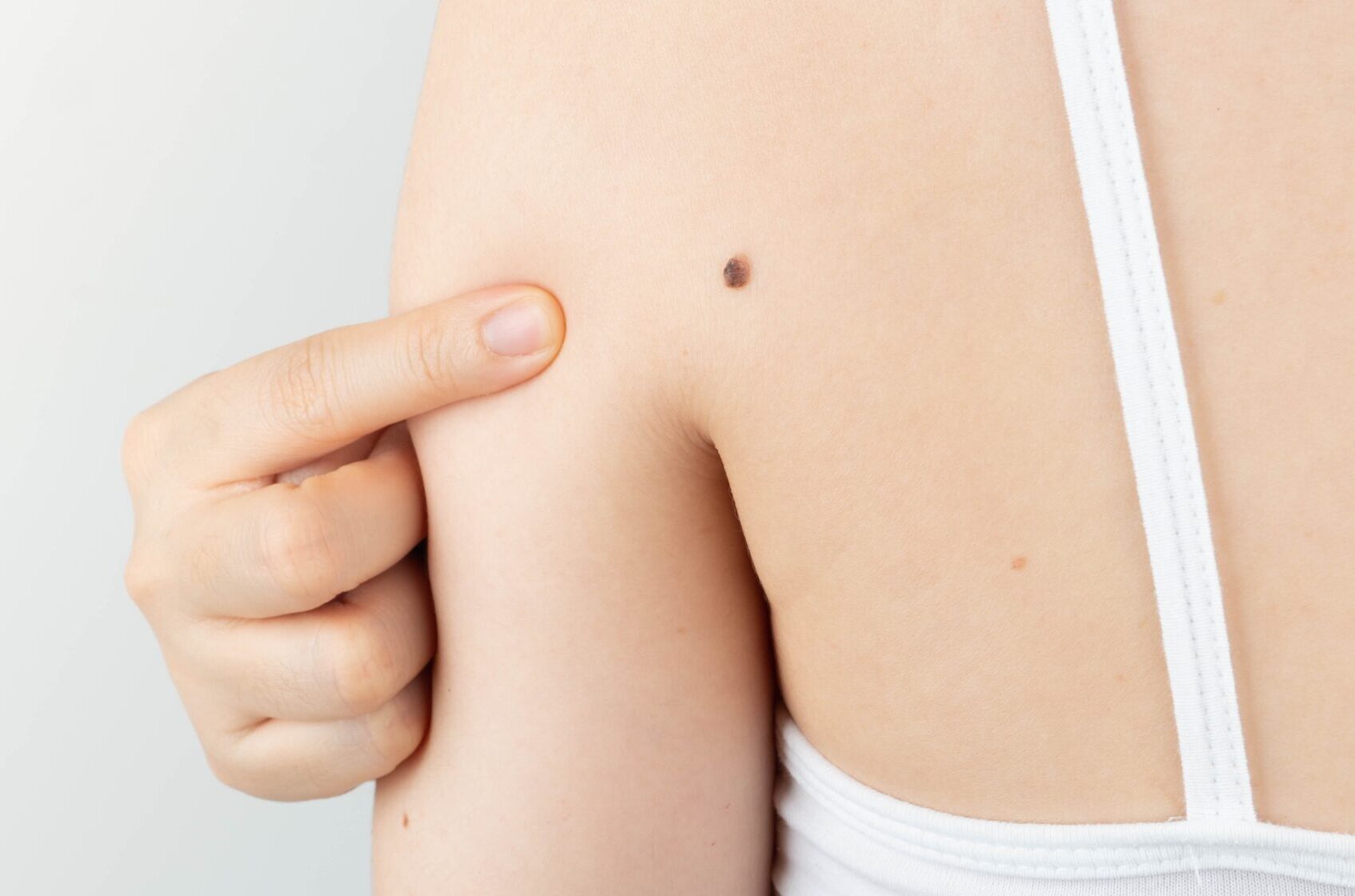
Does This Look Like Cancer? 4 Signs You Should Get Checked by a Dermatologist
Wait, that’s new… It looks like a pimple, maybe a mole? It’s definitely some kind of bump. That wasn’t there before. Does that mean it’s cancer? This is one of...
CONTINUE READING
Melanoma Skin Cancer Facts
Your skin is your largest organ and plays a vital role in detecting hot and cold, regulating your body temperature, and protecting your muscles, bones, and internal organs from outside...
CONTINUE READING
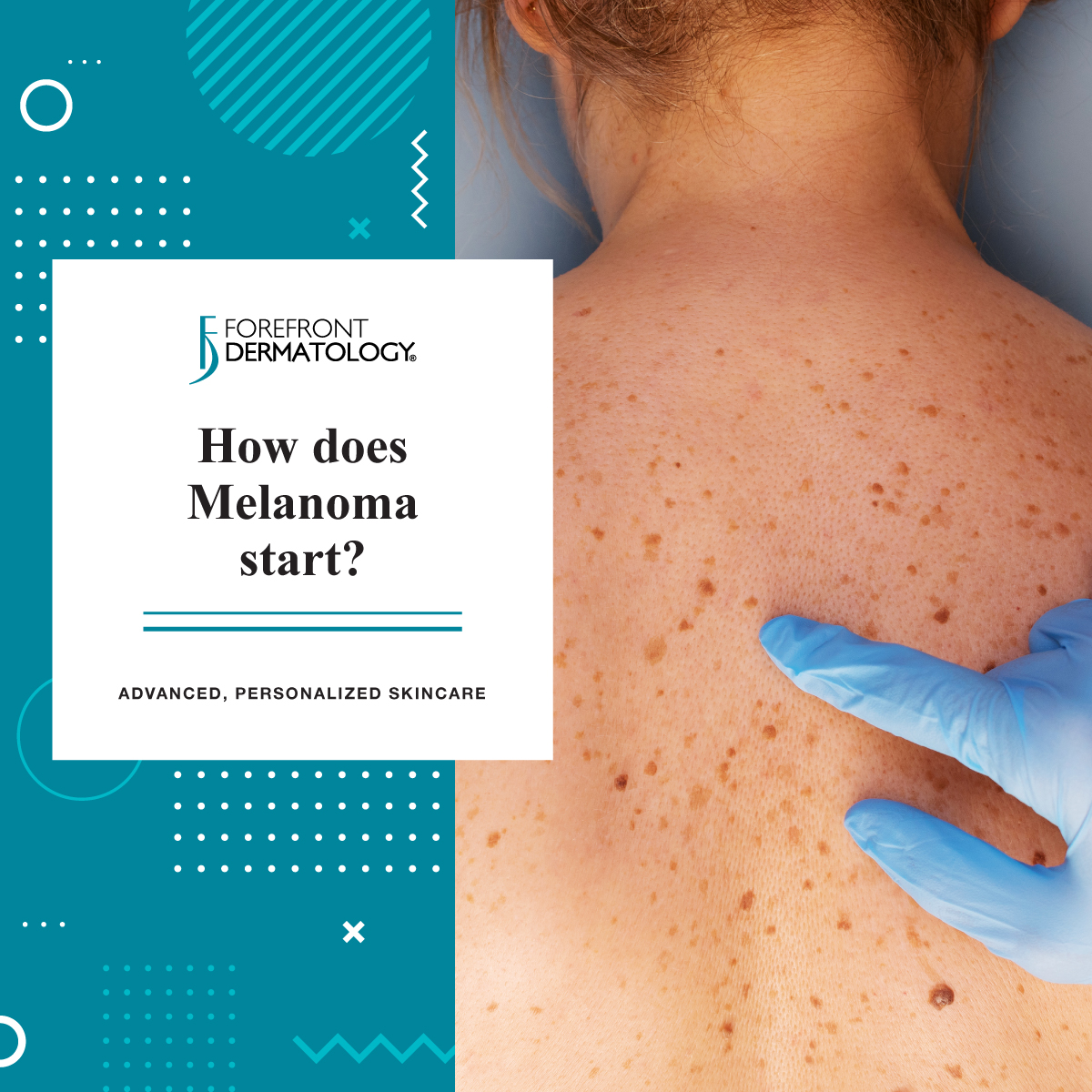
How Does Melanoma Start?
Understanding what melanoma is and the warning signs, risks, and types will help you become more self-aware of what to look for. After all, early detection could save your life....
CONTINUE READING
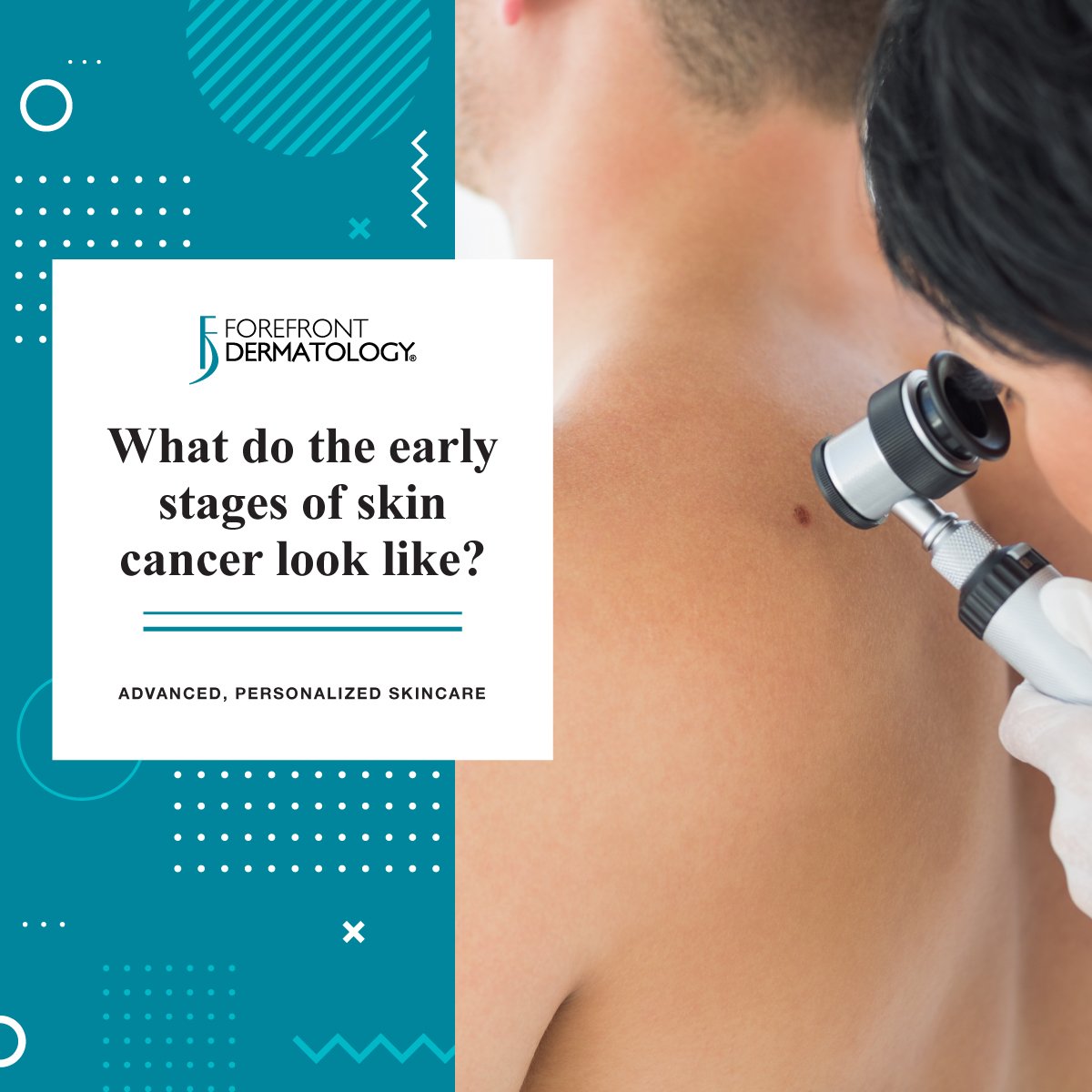
What Do The Early Stages of Skin Cancer Look Like? | Forefront Dermatology
Did you find a mole that looks a little suspicious? Are you questioning if it is skin cancer? For starters, let us just say kudos on paying attention! It is...
CONTINUE READING
May is for Melanoma | Forefront Dermatology
Did you know that one in five Americans will develop skin cancer in their lifetime? Over the past three decades, more people have had skin cancer than all other cancers...
CONTINUE READING
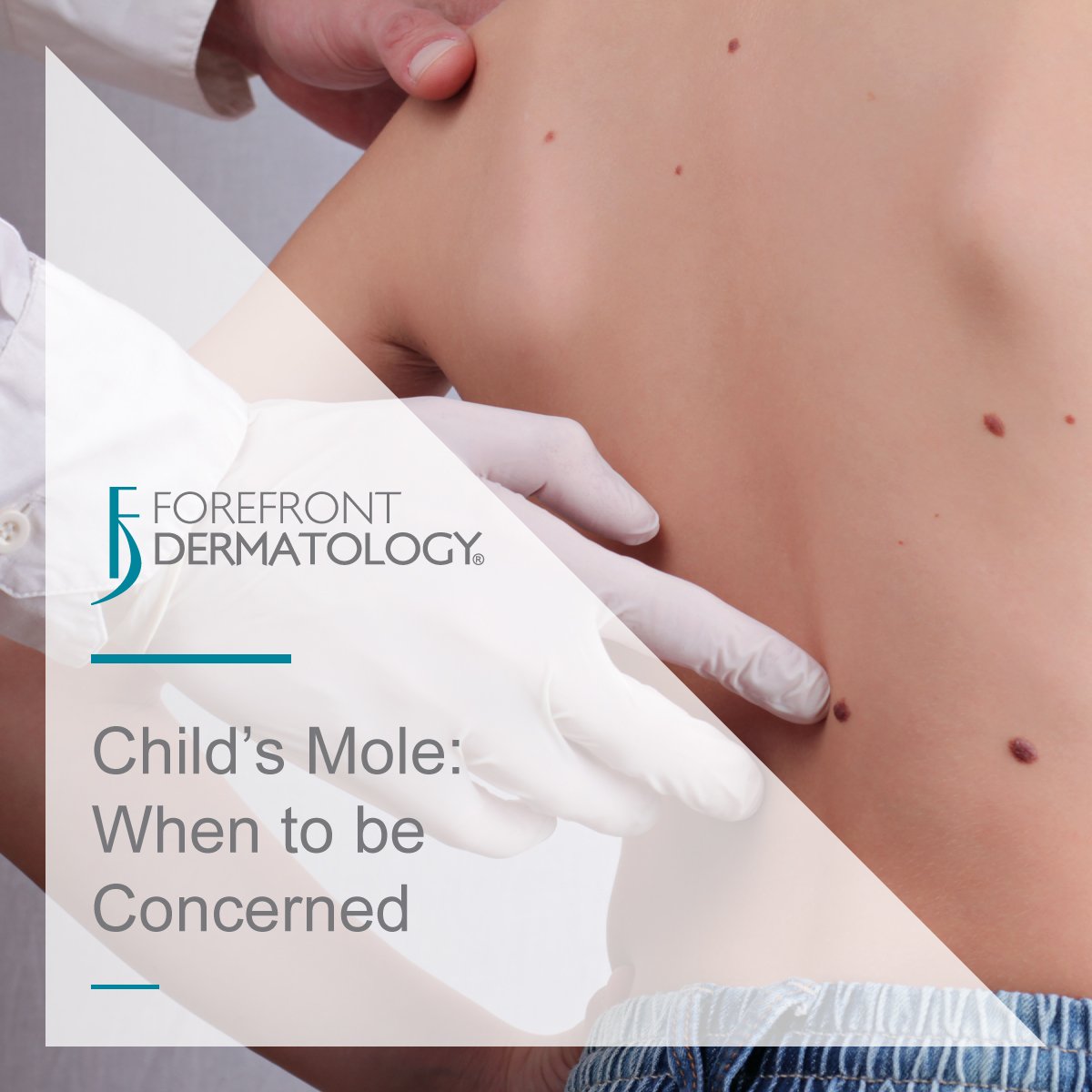
When to Be Concerned About a Child’s Mole
Just as we should be concerned about our own new and changing moles, we need to be concerned about our child’s moles. Dr. Sarah Campbell, board-certified dermatologist with Forefront Dermatology...
CONTINUE READING
Chemical vs. Physical Sunscreen
A lot of people are unaware that there are two types of sunscreen: chemical and physical. What’s the difference? Chemical sunscreens contain organic compounds, such as oxybenzone, octinoxate, octisalate and...
CONTINUE READING
Scalp Melanomas: The Deadliest of All Melanomas
Melanoma is the most dangerous type of skin cancer. It is derived from melanocytes, the skin’s pigment cells, and can spread quickly through the lymph nodes or blood-stream if not...
CONTINUE READING
Military and the Increase in Skin Cancer
Research has shown that one in five Americans will develop skin cancer in their lifetime. While we all are an increased risk, a recent study published in the Journal of...
CONTINUE READING