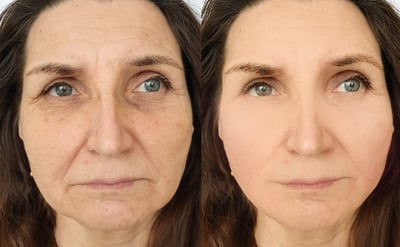
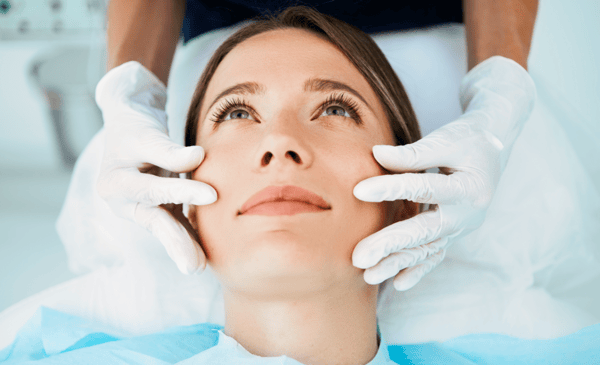
Last year, comedian John Oliver devoted a full Last Week Tonight episode to the booming “med spa” industry. Between the jokes about salmon-sperm facials and the fake “Dr. Injector” characters, his more serious point landed clearly: The world of medical spas has grown faster than the rules that should govern it. The industry now generates more than $17 billion a year, with more than 10,000 facilities nationwide—some excellent, some barely supervised, and some that should never have opened at all.
For anyone considering a cosmetic procedure, that matters. While med-spas can offer everything from Botox and laser treatments to IV infusions and “fat-melting” injections, not all of them operate with medical oversight. And when a service involves needles, lasers, or drugs that affect tissue, it’s not just a beauty treatment anymore—it’s something more akin to a medical treatment. Those medical treatments need to come with proper care, credentials, and accountability.
A growing problem in plain sight
Recent news stories—and the very real patients behind them—have revealed how risky it can be when safeguards disappear, or were never in place to begin with. In one case highlighted by the CDC, a woman was hospitalized with botulism after receiving counterfeit Botox from an unlicensed provider. In another, a social-media influencer developed a serious infection after hundreds of unsanitary “fat-dissolving” injections bought online.
Oliver’s segment put those headlines in perspective: Some med-spas operate under “remote” medical supervision, with a doctor who checks in by phone once a year. Others use untrained staff or imported injectables purchased through gray-market websites. These are not isolated incidents—they’re symptoms of an industry that has outpaced regulation.
The difference a board-certified dermatologist makes
If these stories sound unsettling, there’s good news: You don’t need to choose between safety and results. With Forefront’s cosmetic dermatology practices, board-certified dermatologists take the time and care to provide both.
When you receive cosmetic dermatological procedures (such as Botox, filler, laser resurfacing, or other rejuvenating procedures), you gain the peace of mind that comes with true medical oversight. Here’s why that matters:
- Your skin’s full history is already known.
Your dermatologist knows your sensitivities, your medications, and the story of your skin. That context guides every decision, from filler placement to laser settings, reducing risks and improving results. - Treatments are performed by medically trained professionals.
At Forefront, all injectables and device-based treatments are done by, or under the supervision of, licensed medical staff who understand anatomy, infection control, and emergency response. Those details not only save skin but, in rare cases, can save lives. - The products are authentic and traceable.
Dermatology clinics use only FDA-approved products from trusted suppliers. Counterfeit or improperly stored injectables—the kind that have caused recent outbreaks—simply don’t enter the building. - Safety isn’t a sales pitch.
Before any procedure, you’ll have a true consultation: Medical history review, informed consent, and realistic expectations. The goal is not to get you to buy some “deal of the week.” Your dermatologist actually cares about your long-term health and confidence.
How to protect yourself wherever you go
If you ever explore aesthetic treatments outside your dermatologist’s office, ask these questions first:
- Who is performing my procedure, and what licenses do they hold?
- Is a supervising physician on-site and available during treatment?
- Where do your injectables or devices come from?
- What is your plan if a complication occurs?
If the answers are vague—or you feel pressured to act quickly—trust your instincts and step away.
“But my dermatologist’s office doesn’t feel like a med spa…”
Many people never think to ask their dermatologist about cosmetic treatments, and that’s understandable. For most, dermatology feels medical while med spas feel…well, cosmetic. And many med spas go out of their way to give you a more “pampered” experience, as opposed to a clinical-feeling one.
But consider that the same expertise used to treat your skin safely can also help rejuvenate it beautifully. When we already know your tone, texture, and sensitivities, your results can look more natural and last longer. Our team can also help you choose what treatments fit your goals and budget, all in the same trusted environment where you already receive care.
That said, many of our patients might not realize that we offer these services at all! A great number of our locations do, so consider this your invitation: If you’ve ever wondered about smoother texture, subtle volume, or refreshed skin tone, start by asking the dermatologist who already knows your skin best.
When your care stays under one roof, every treatment—medical or cosmetic—works together toward the same goal: Skin that’s healthy, confident, and uniquely yours.
Beauty and health belong together
There’s nothing wrong with wanting to look refreshed or feel more confident. But when a procedure involves your skin, your muscles, or your bloodstream, it should be handled by professionals who already protect your skin’s health every day.
What these news stories and exposés convey is an important truth: Behind the glamour of med-spas lies a world that can blur the line between wellness and risk. At Forefront Dermatology, we believe that line should never be blurry. Whether you come in for acne care or aesthetic rejuvenation, your treatment happens under medical supervision, with products and people you can trust.
Because beautiful skin should never come at the expense of your health.
Related Articles cosmetic dermatology - medical aesthetics -

Neurotoxins for Men: What “Natural Results” Actually Mean
Aging, Region by Region: How Different Areas of Your Skin Tells Different Stories
Lasers vs. Photofacials vs. Peels: Which Skin Resurfacing Option Is Right for You?

Is “Glass Skin” Good or Bad?
Curious About Aesthetics, But Overwhelmed By All the Options? Here are the 5 Most Popular Cosmetic Treatments for 2026