


Rosacea Medical Services
In the US, approximately
16 million people
suffer from Rosacea
Rosacea
can be treated
but cannot be cured
There are
4 types
of Rosacea
Rosacea is more common
in fair skinned
individuals
What is rosacea?
Rosacea is a chronic skin condition that typically affects the face and sometimes the eyes. It’s common to mistake this inflammatory skin problem as acne, an allergic reaction, or eczema because of the redness and acne-like bumps it causes on the skin.
SCHEDULE NOW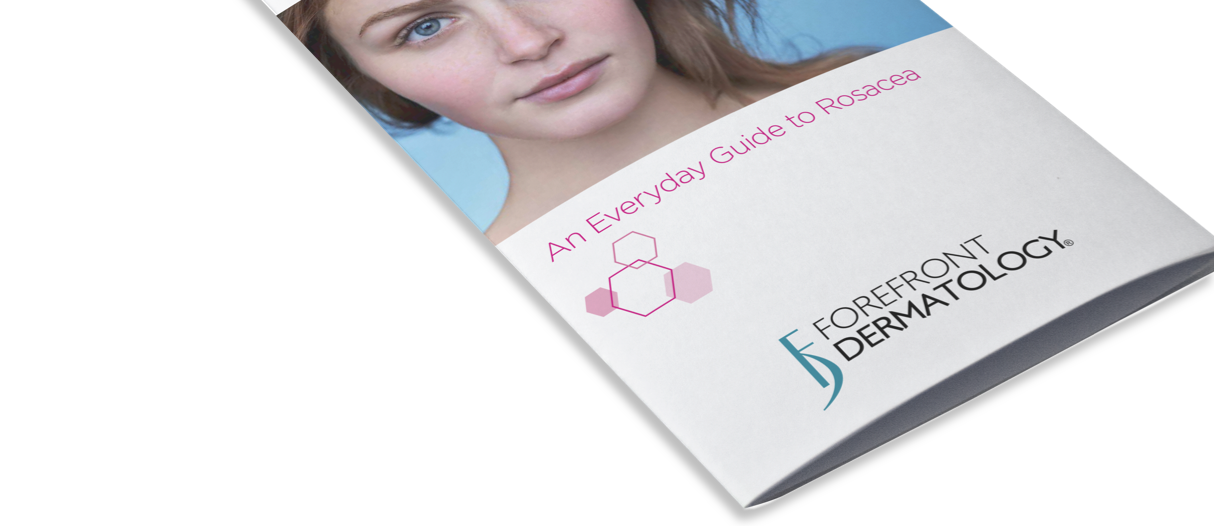
An Everyday Guide to Rosacea
Download BrochureWhat does rosacea skin look like?
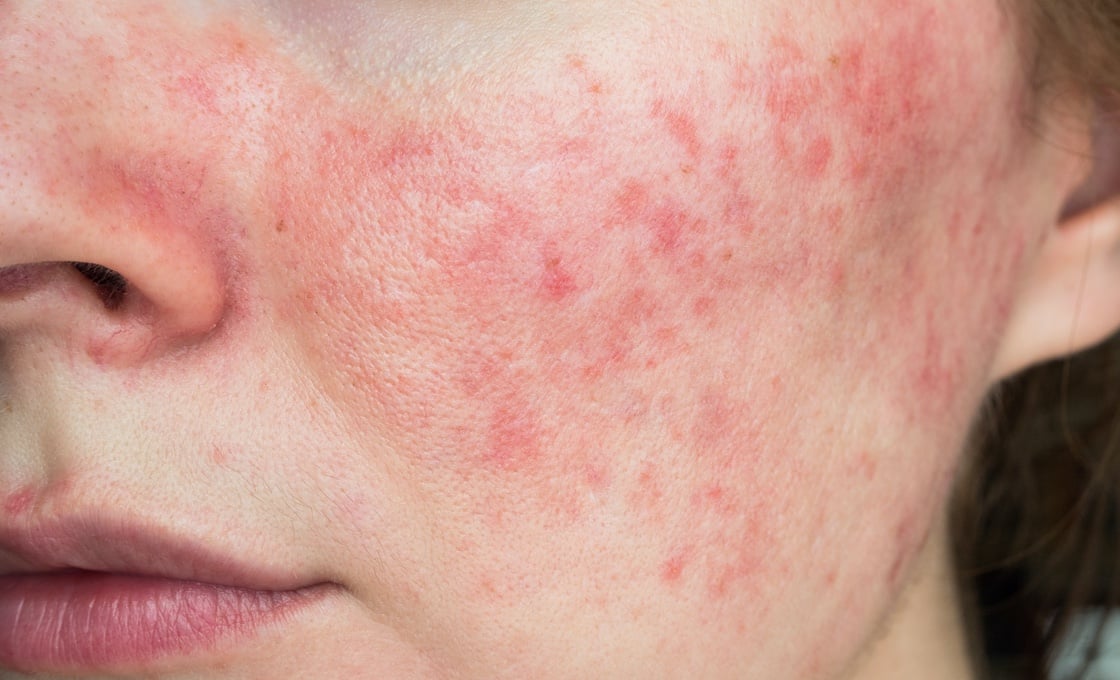
Rosacea causes your face and neck to blush or flush more easily. Many sufferers of this skin condition also have small, red, pus-filled bumps, especially on the cheeks, nose, and forehead. Other symptoms of rosacea skin include:
- Persistent skin redness
- Facial swelling
- Dry and flaky skin
- Visible broken blood vessels
- Sensitive skin
- Enlarged nose
- Red, irritated eyes
What are the main causes of rosacea?
While the cause of rosacea is unknown, some factors may be related to the condition:
- Family history of the skin disease
- An overactive immune system
- Having the intestinal bacteria Helicobacter pylori
- A skin mite called Demodex
- The presence of a protein that normally protects the skin from infection, called cathelicidin
If you already have this skin condition, be aware of these triggers, which can make your symptoms worse:
- Spicy foods
- Chocolate
- Alcohol
- Coffee or tea
- Skincare products containing perfume
- Sunlight
- Heat
- Stress
These risk factors also make you more likely to develop this skin disease:
- Having fair skin
- Being between 30–50 years old
- Scandinavian or Celtic ancestry
- Current or former acne sufferers
Are there different rosacea types?
Rosacea includes four different types:
Erythematotelangiectatic: With this type of rosacea, you’ll see tiny broken blood vessels on your skin. You’ll notice flushing and redness in the center of your face, and your skin may feel rough, scaly, and dry. Your skin may also sting, burn, and appear swollen.
Papulopustular: This subtype primarily affects middle-aged women. If you have this type, you’ll have oily skin with acne-like bumps that may be filled with pus. Your skin may be very sensitive and burn or sting. Raised patches of skin called plaques may also appear, along with visibly broken blood vessels.
Phymatous: This type is very rare and is typically preceded by symptoms of another subtype. Your skin may have a bumpy texture, and it may start to thicken around your nose, forehead, chin, cheeks, and ears. Your skin will appear oily with large pores, and visibly broken blood vessels will also develop.
Ocular: This type affects your eyes, causing them to appear watery and bloodshot, as well as feel gritty, like there’s sand in them. They can sting, itch, burn, and feel very dry. Your eyes will be sensitive to the light, and you may experience blurry vision. You may also develop a cyst on your eyelid and notice visibly broken blood vessels.
What are rosacea treatment options?
While no cure exists for rosacea, several treatment options can help you successfully manage your symptoms and ease your discomfort. Your Forefront dermatologist will work with you to design a treatment plan to address the specific type you have, which may include topical medications, oral antibiotics, light therapy, or laser therapy.
Prescription skin creams can reduce redness, inflammation, and acne-like breakouts, and oral antibiotics can ease swelling, reduce redness, and improve acne-like bumps. According to the American Academy of Dermatology (AAD), most people notice a significant reduction in acne-like breakouts after taking oral antibiotics for one month.
Light therapy, such as photodynamic therapy, may also be a treatment option for some patients. This treatment option can also treat acne-like bumps and redness, but it’s not effective for everyone.
Understanding what triggers your symptoms and following a skin care routine are also important aspects of rosacea treatment. Keeping a journal of the foods that you eat can help you identify potential triggers that make your symptoms worse. Wearing sunscreen and avoiding harsh products that irritate your skin can also prevent flare-ups.
Our board-certified Forefront dermatologists will create a customized treatment plan and can help to improve the appearance of your skin and manage your symptoms. To schedule an examination, find the Forefront Dermatology office near you and schedule today.