
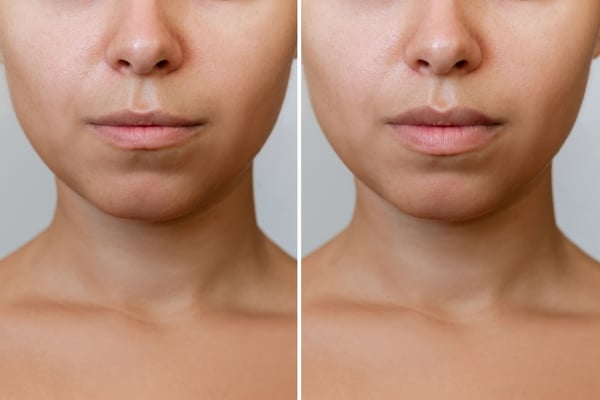
There’s a version of cosmetic dermatology that lives rent-free in the public imagination: the frozen forehead, the pillow cheeks, the lips that arrive in the room before the person does. It’s the stuff of celebrity tabloid galleries and awkward family reunions. And it’s precisely why so many people who are quietly curious about cosmetic treatments never take the first step.
Here’s what those headlines rarely tell you: the overdone, “I’ve clearly had work” look isn’t an inevitable outcome of treatment. It’s almost always the result of how treatment was planned, not which treatment was chosen. The difference between a result that turns heads for the wrong reasons and one that makes your coworkers wonder if you just got back from a really good vacation comes down to assessment, restraint, and the expertise of the person holding the syringe.
The “Undetectable Era” is already here
Something meaningful has shifted in cosmetic dermatology. Patients are increasingly seeking natural-looking results and personalized treatments, reshaping clinical practices and emphasizing subtlety and skin quality. This is a movement that practitioners now sometimes call the “undetectable era” of aesthetics. The goal is no longer transformation. It’s restoration and refinement. It’s looking like yourself, only the version of you who slept eight hours, drank the water, and has absolutely no stress.
The numbers reflect the momentum. According to the International Society of Aesthetic Plastic Surgery’s 2024 Global Survey, botulinum toxin treatment (i.e., BOTOX® Cosmetic and its equivalents) remains the single most common non-surgical cosmetic procedure in the world, with nearly 7.8 million treatments performed by plastic surgeons alone. And that doesn’t count the many more performed by dermatologists. Hyaluronic acid fillers followed close behind, with over 6.3 million procedures, representing a 5.2% increase year-over-year. These statistics are a signal that the stigma is fading, and a more informed, nuanced approach to aesthetics is taking hold.
Should you worry about injectable results?
Let’s address the fear directly. The dreaded “frozen face” or the overinflated appearance that screams “procedure” doesn’t come from BOTOX Cosmetic or fillers themselves. It comes from how they’re used.
The most common culprits are overtreatment (too much product in too many places at once), improper placement driven by insufficient knowledge of facial anatomy, and chasing perfection instead of improvement. Trying to erase every line, for instance, is one of the fastest routes to a result that looks artificial, because expressive faces have lines — they’re what make a smile look genuine.
A skilled dermatologist approaches the face the way a thoughtful editor approaches a manuscript. The goal isn’t to eliminate everything, it’s to refine what’s already there.
Careful planning: The key for natural-looking results
The real work of achieving a natural outcome happens before any treatment begins. A thorough consultation means evaluating how your face moves at rest, in conversation, and even mid-laugh, not just how it looks in a still photograph or selfie. Muscle strength, skin thickness, underlying bone structure, and emerging patterns of aging all vary enormously from person to person, and all factor into a responsible treatment plan. Board-certified dermatologists have the knowledge of anatomy and clinical judgment required to read those variables accurately, customizing placement and dosage in ways that preserve expression rather than erase it.
Someone with strong expression lines (the deep creases that appear when they furrow their brow or squint) might benefit from small, precisely targeted doses of a neurotoxin like BOTOX Cosmetic, which temporarily reduces the muscle contractions that cause those lines to deepen over time. The goal isn’t to stop all movement; it’s to soften the intensity so the line becomes less pronounced without looking like the face stopped working.
A patient whose primary concern is volume loss in hollowed cheeks, a deepening under-eye area, or thinning lips, is a different conversation entirely. Dermal fillers, which use hyaluronic acid (a substance naturally present in the body) or other materials to restore lost volume, are often the right tool here. Subtle contouring with fillers in the jawline and chin can restore structure and create a more defined profile, enhancing natural features.
What makes BOTOX Cosmetic and filler treatments look natural is not just where they’re placed, but how they’re done.
The case for conservative dosing and gradual treatment
One of the most important principles in achieving a natural result is also one of the simplest: start with less. The best way to avoid an unnatural result is to start with small doses. You can always build up gradually, but it’s much harder to reverse overdone work. An experienced dermatologist will often recommend treating one area at a time, or spreading filler placement over multiple sessions rather than attempting a comprehensive overhaul in a single visit. This staged approach allows both the patient and the physician to assess results, make adjustments, and avoid the cumulative effect that can tip a face from refreshed to frozen.
By tailoring BOTOX Cosmetic or filler treatments to your unique needs, a dermatologist will focus on achieving subtle results by starting with smaller doses and adjusting only if necessary. This approach ensures a gradual and natural outcome, allowing enhancements to evolve gently over time.
This also means that the combination of treatments matters. BOTOX Cosmetic and fillers address different aspects of aging. BOTOX is best for addressing dynamic wrinkles caused by muscle movement, while fillers work for volume loss and structural changes. The most seamless, natural results often come from addressing both thoughtfully, rather than over-relying on one approach. A little smoothing paired with a little volume restoration creates balance; overdoing either one tips the result toward caricature.
To be most effective, comprehensive holistic care extends beyond the appointment itself. A proper post-injectable skincare regimen customized by your dermatologist is just as important for preserving and maximizing your results.
The most important variable isn’t the product — it’s the provider
Here’s the truth that’s easy to miss when browsing before-and-after photos online: the specific brand of filler or neurotoxin matters far less than the expertise, judgment, and anatomical knowledge of the person administering it. Cosmetic injectables are medical treatments, and the precision with which they’re placed is important. The exact muscle targeted, the depth of injection, and the volume of product used make all the difference.
Research published in the Journal of Cosmetic Dermatology underscores the importance of a patient-centered consultation, noting that practitioners who guide rather than simply react to patient preferences, and who show realistic examples of achievable outcomes, build both better results and better long-term relationships with their patients.
That last part matters. Natural-looking cosmetic dermatology isn’t a one-and-done transaction. It’s an ongoing relationship built on honest conversations about goals, realistic expectations, and a shared commitment to keeping you looking like the most rested, refreshed version of yourself that you can be.
The frozen face belongs to the past. The future of cosmetic dermatology is subtle, skilled, and entirely undetectable, which is exactly the point.
Learn about natural-looking injectable options
Curious about whether cosmetic injectables might be right for you? Schedule a consultation with one of our board-certified dermatologists to discuss your goals and learn what a personalized treatment plan might look like. Find a Forefront location near you today.

Book an appointment with your trusted, local dermatologist.
Cosmetic Dermatology: Why It’s Smart to Get Aesthetic Treatments from Your Dermatologist
There’s More Than One Way to Restore Volume: How Dermatologists Decide What’s Best
A Dermatologist’s Guide to Razor Bumps

Nutrition, Skin, and Weight Loss: Here’s What You May Be Noticing as the Pounds Fall Off

Neurotoxins for Men: What “Natural Results” Actually Mean

Aging, Region by Region: How Different Areas of Your Skin Tells Different Stories