

Treating acne in skin of color is slightly different than for individuals with other skin tones. Dark skin has more active sebaceous glands, leading to higher oil production which can in turn cause clogged pores and pimples. In addition, the dermis (second layer) in dark skin is thicker and more compact, due to excess collagen production, which makes scarring more likely even after acne clears.
Forefront dermatologists are highly knowledgeable when it comes to dark skin acne treatment. If you are struggling to achieve clear skin, we have tips that can help.
Preventing acne in skin of color
First things first: Knowing how to take care of your skin can prevent pimples from popping up in the first place. Since dark skin naturally produces more oil, it’s crucial to use products that can keep pores clear. In your skincare routine, you should be using:
- A gentle, non-comedogenic cleanser to remove dirt and debris in the morning and at night.
- Salicylic acid cleanser 2-3 times per week to unclog pores, gradually increasing to once a day if it doesn’t cause irritation.
- Lightweight moisturizers and non-comedogenic makeup that won’t settle into pores.
- Sunscreen. Dark skin is not only still susceptible to cancer from UV rays; sun exposure darkens acne scars, making them last longer. Use tinted sunscreen to avoid a greyish/white cast.
- Benzoyl peroxoide (2.5%) to spot treat blemishes that are forming. This removes the bacteria that cause acne.
And because excess oil is already a big part of the dark skin acne equation, you don’t want oil from hair products making its way onto your skin. Pomade acne is another term for pimples that form on the forehead and temples as a result of hair oil. It can be prevented by switching hair care products or only applying the oil to the middle of the scalp and ends of the hair. If that doesn’t help, ask a dermatologist for recommended hair products that are less likely to cause breakouts.
Treating dark skin acne at home
Whether it’s just a few blemishes or your acne is out of control, the key is to use gentle techniques that won’t cause scarring.
First of all, don’t pop pimples. As satisfying as it is to get the gunk out, squeezing a zit turns a closed pore into an open wound, releasing oil, bacteria, and debris onto the skin which can lead to more acne. It also forces bacteria deeper into the dermis, increasing inflammation and risking infection, dark spots, and permanent scarring. Remember, dark skin acne scars are already a concern; you don’t want to make it happen even more easily.
Second, don’t scrub. It’s common to want to scrub your skin harder when you have breakouts, assuming it will make the acne go away faster. But according to Dr. Nadia Sundlass, board-certified dermatologist with Forefront Dermatology, that’s not the case.
“Scrubbing harder can strip your skin barrier and actually worsen your acne. Instead, gently work a gentle cleanser into your skin and allow time for it to do its job before rinsing it off.”
How dermatologists treat acne in skin of color
Now for the really frustrating part about dark skin acne. Melanin in skin of color is already more prominent than in those with lighter skin. When acne forms, the skin releases more melanin and becomes inflamed. The result? Dark spots known as post-inflammatory hyperpigmentation (PIH). This is why the aftermath of blemishes is more pronounced in darker skin types; acne leaves dark spots and scars that remain long after it’s gone.
To combat PIH in skin of color, dermatologists use an approach that addresses both acne and the overproduction of melanin it creates. Topical treatments may include:
Retinol. Topical retinoid and retinol creams and gels like tretinoin help to clear pores, reduce inflammation, and speed up the process of skin cell turnover and regeneration, which helps prevent and treat PIH and scarring. Retinol also helps to fade dark spots.
Combined retinoid and benzoyl peroxide. Patients often see favorable results when combining the anti-inflammatory benefits of retinol and antibacterial protection of benzoyl. In one 12-week study, adapalene 0.1%–BPO 2.5% gel significantly reduced total, inflammatory and non-inflammatory lesions as early as 1 week in a subgroup analysis of Black patients. Additionally, PIH was not reported as a side effect.
Hydroquinone. This is a powerful skin-lightening agent that treats hyperpigmentation by inhibiting the enzyme that produces melanin.
When dark spots and acne scarring remain despite topical treatments, dermatologists offer in-office procedures to smooth the skin and even skin tone.
Laser treatment. Non-ablative lasers have been shown to be both safe and effective in skin of color because they bypass the surface melanin to stimulate collagen.
Chemical peels. Gentle peels such as those that use glycolic or salicylic acid can safely address acne, acne scarring, and hyperpigmentation since the chemicals are not as harsh as in deep peels. This type of exfoliation is effective for fading dark spots and improving texture (including scars) in dark skin.
Board-certified dermatologists at Forefront treat all skin types
If you follow these steps and are still struggling with acne or pigment issues, a board-certified dermatologist at Forefront Dermatology is here to help. With a dermatologist on your side, almost every case of acne and dark spots can be successfully treated with time and the correct treatment plan. Find a location near you today.

Book an appointment with your trusted, local dermatologist.
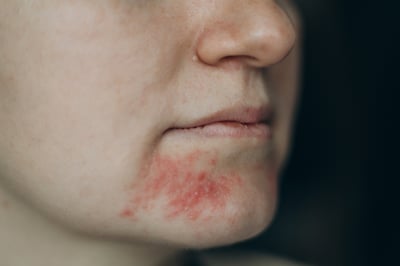
Perioral Dermatitis: When “Acne Around the Mouth” Isn’t Acne
Why Some Skin Conditions Don’t Respond to Over-the-Counter Treatment

Why Adult Acne is Different—and What Actually Helps
Acne Treatment Innovations that Could Transform How We Treat Breakouts

Back-to-School Skin Care: A Dermatologist’s Guide for Kids, Teens, and Young Adults

Acne Scars: How Common are They, and What Can be Done for Them?