
Acne has a way of making you feel stuck. You rotate through the usual suspects: Retinoids, benzoyl peroxide, oral antibiotics, maybe hormonal therapy, and hope that this time your breakouts will finally back down. Yet for many teens and adults, acne becomes a cycle: flare, treatment, short-term relief, flare again. Managing acne becomes a frustrating and often hopeless cycle.
But behind the scenes, something exciting is happening. Researchers are rethinking acne treatment, shifting from simply suppressing oil and bacteria to approaches that protect the skin’s microbiome, reduce inflammation more gently, and work with the skin rather than against it.
Some of these developments are still experimental. Others are already becoming more widely used in clinical settings. But together, they hint at a future where acne treatment is more personalized, microbiome-friendly, and biologically targeted than ever before.
Bacteriophage acne therapy: Nature’s targeted killers
One of the most promising new acne treatments involves harnessing viruses to manage breakouts. Bacteriophages (or “phages”) are viruses that infect and kill bacteria. Researchers have identified phages that specifically target Cutibacterium acnes, which is the type of skin bacteria that causes acne in many patients. Unlike antibiotics, which broadly wipe out both harmful and beneficial skin bacteria, phages can be engineered or selected to attack only their bacterial host without affecting the skin’s healthy microbiome.
A recent study tested a three-phage cocktail called BX001 that was incorporated into a topical gel. The phages used in the study proved to reduce mild to moderate acne without irritating patients’ skin. And, unlike antibiotic treatments, using bacteriophages did not harm beneficial bacteria or contribute to antibiotic resistance.
What’s real now / near-term: BX001 is already being tested in human subjects, and its safety profile so far is strong. While more data is needed to confirm long-term effectiveness and optimal dosing, phage therapy could soon become a realistic alternative to antibiotics. This approach is especially valuable as antibiotic resistance becomes more of a concern.
What’s still experimental: Though promising, phage therapy for acne is not yet standard of care. It’s highly strain-specific, meaning the cocktail must be carefully designed, and manufacturing for wide-range use is not yet possible. Regulatory pathways are still being worked out, and long-term effects on the skin microbiome are still being studied.
Advancements in photodynamic acne therapy
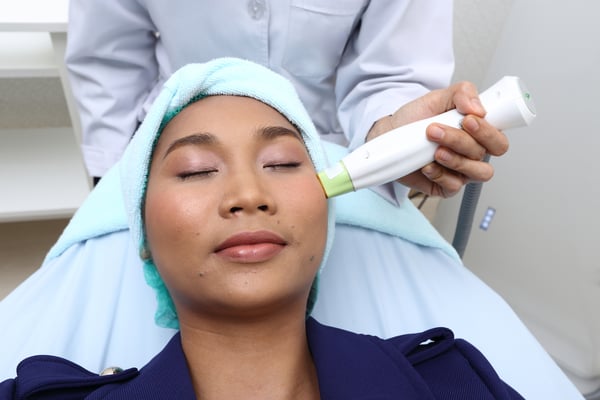
Photodynamic therapy (PDT) has been used to treat acne for years, but newer versions of the treatment are becoming gentler, more effective, and easier for patients to tolerate. Traditionally, PDT involves applying a cream called aminolevulinic acid (ALA), which is a light-sensitive compound, to the skin. Once the cream is absorbed, a special light is used to activate it. This reaction helps kill acne-causing bacteria and also reduces the amount of oil the skin produces.
While this method can work well, it has some drawbacks. Many patients experience redness and discomfort and need several sessions before they see results. Because of this, researchers have been working to improve the treatment so it is more comfortable and delivers better results using lower doses and better formulas.
One recent study tested a new low-dose ALA gel along with red light treatments. Patients had three sessions and saw a significant improvement in their acne, with very little discomfort reported. And, even better, the results were long-lasting.
In addition to calming oil glands, one study found that PDT may also shift the skin’s microbiome, increasing the variety of “good” bacteria on the skin. This is an exciting finding, since many standard acne treatments can disrupt the balance of skin bacteria.
What’s real now / near-term: PDT is already being used in dermatology practices today, and many patients can see meaningful improvement after treatment. The newest photosensitizing gel formulas are helping make PDT more comfortable and better tolerated than earlier versions, making it a more practical option for everyday patient care rather than just a research treatment.
In medical practice, this means dermatologists may use PDT strategically as part of a personalized treatment plan, especially for patients who haven’t responded well to antibiotics or prefer a device-based approach.
What’s still experimental: Even though PDT is improving, it is not yet one-size-fits-all. Different clinics may use different formulas, light sources, or treatment schedules, and experts are still working toward standard guidelines. Side effects like temporary redness can still happen, and patients must be able to return for follow-up treatments. Research is ongoing to fine-tune the approach and make PDT more widely accessible.
Smart combinations and fixed-dose acne therapies
Beyond phage therapy and light-based options, researchers are also rethinking how everyday acne medications can be used together more wisely. Instead of simply adding more products and hoping for better results, the new focus is on finding combinations that work better together while causing less irritation.
Some newer prescription gels combine several well-known acne fighters, such as an antibiotic, a retinoid, and benzoyl peroxide, into a single product. A large 2024 analysis found that one of these triple-ingredient gels was among the most effective treatments for moderate to severe acne. The benefit of combining them in one tube is consistent dosing and fewer steps for patients, which can make it easier to stick with treatment.
Other studies have looked at blending retinoids (which help unclog pores) with gentle acids like lactic acid and salicylic acid. This type of combination can reduce both red, inflamed pimples and smaller clogged bumps with few side effects.
Another smart combination being tested is adding a salicylic acid peel right after photodynamic therapy. Early results suggest that this pairing may improve results while also reducing redness and irritation afterward.
Overall, these approaches reflect a bigger change in acne care. Instead of relying on one strong medication at high doses, the future may be about smart, layered treatments that target acne from different angles. This approach can be more effective, easier to tolerate, and more customized to patients’ needs.
What’s real now / near-term: Fixed-dose combination topicals (like the triple-agent gel) are already in use, backed by strong comparative evidence. Combination therapies involving PDT plus an acid are already entering early clinical testing.
What’s still experimental: These next-generation blends show promise, but they’re still being studied, and larger trials will be needed before dermatologists can confidently make them part of everyday treatment plans.
The road ahead: Renewed hope for patients with acne
These developments signal a meaningful shift in how acne may be treated in the future, expanding the toolbox well beyond traditional options. While the science is still evolving, progress is happening. Phage therapy is advancing despite manufacturing and regulatory hurdles, PDT is becoming more refined and consistent, and combination treatments are showing strong results as researchers fine-tune their balance for effectiveness and tolerability.
At Forefront, we’re not just watching these developments—we’re actively integrating the latest evidence into care plans and helping patients benefit from emerging treatments as they become available. Find a Forefront location near you today to get started.
Related Articles acne - acne treatment innovations - bacteriophage acne therapy - new acne treatments - photodynamic therapy acne -

Why Adult Acne is Different—and What Actually Helps

Do Pimple Patches Really Zap Zits?

Acne Scars: How Common are They, and What Can be Done for Them?

Are There Foods that Actually Make Acne Worse?

A Guide to Acne Scar Removal
