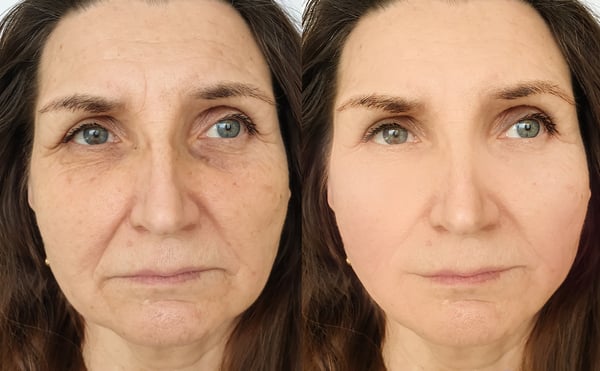
From national news segments to quick TikTok hits, you’ve likely been flooded with recent content about “Ozempic face,” a term used to describe facial changes that follow rapid weight loss with medications like Ozempic, Wegovy, and Mounjaro. These GLP-1 skin changes can include everything from wrinkles, sunken eyes, thin lips, and sagging skin—and can affect a weight loss patient’s confidence, self image, and overall well-being.
If you’re worried about facial volume loss, it’s time to learn the science behind these changes, including what’s healthy versus what may need medical attention. We’ll also discuss safe, dermatologist-led skin tightening options for supporting your skin health.
The physiological changes behind facial volume loss
So, what’s behind this dramatic facial volume loss? While GLP-1 medications are effective at helping patients shed pounds, the speed of that weight loss can make facial changes more noticeable. Signs of rapid weight loss in the face include hollow cheeks, deep folds in the skin, fine lines and wrinkles that become more pronounced, sagging jowls, or a sunken appearance under the eyes.
The reason for these changes are due to some physiological changes that happen during rapid weight loss:
- Facial fat redistribution: The face contains small fat pads that give it youthful contour and fullness. When you lose weight rapidly, these pads shrink, leading to hollowing in the cheeks or temples and sharper angles in the jawline.
- Skin elasticity and collagen decline: Skin is adaptable, but it relies on collagen and elastin to “bounce back.” These proteins provide strength and elasticity, but when weight is lost quickly, the skin often cannot keep pace with the shrinking body underneath, resulting in reduced firmness and elasticity and increased sagging.
While social media has coined a catchy name for this phenomenon, keep in mind these changes are not unique to GLP-1 medications, but are instead part of the body’s natural response to weight loss.
Of course, some degree of facial volume loss is expected with weight reduction. What’s important is distinguishing between normal, healthy changes and those that signal underlying issues such as nutritional deficiencies or excessive, unintended weight loss. Look for warning signs such as fatigue, slow wound healing, brittle hair and nails, tingling hands or feet, unexplained bruising, bleeding gums, cracks at the corner of your mouth, ora sore or red tongue. If you’re experiencing any of these symptoms for an extended time, consult a medical professional.
Safe options for restoring and supporting skin health
Quick fixes for facial volume loss—everything from “face yoga” and topical collagen creams to extreme diets and DIY fillers—are all over the web, but the safest way to address facial changes after weight loss is via thoughtful, medically-guided solutions. Dermatologists approach treatment on two levels: supporting skin health in the short term, and restoring firmness or volume over the long term. Together, these options provide a safe, comprehensive path forward:
Short-term support: Strengthening skin from the surface
- Dermatologist-recommended skincare ingredients: Retinoids will encourage cell turnover, peptides support collagen production, and hyaluronic acid helps with hydration and plumping — all of which can make skin look tighter.
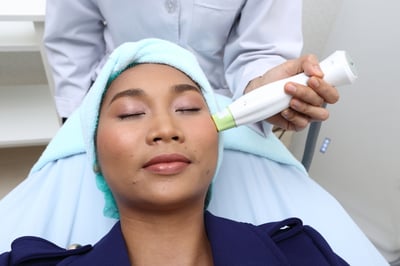
- Non-invasive treatments: Many dermatologists recommend microneedling, chemical peels, or radiofrequency therapies to stimulate collagen and improve texture without downtime.
- Lifestyle measures: Adequate hydration, balanced nutrition, and daily sun protection help maintain resilience and slow further volume loss.
Long-term solutions: Restoring volume and firmness
- Injectables and fillers: Strategically placed dermal fillers can safely restore facial contours and replace lost volume in cheeks, temples, or under the eyes. Requiring minimal downtime, these fillers can be injected into affected areas to plump up the skin and help restore normal facial contours. Plus, results can often last up to a year. Fillers containing hyaluronic acid, calcium hydroxylapatite, and poly-L-lactic acid often have the best results.
- Skin tightening procedures: Ultrasound or laser based treatments encourage deeper collagen remodeling, gradually lifting and firming sagging areas. These treatments are often combined with dermal fillers for better and more long-lasting results.
- Customized treatment plans: Every patient’s skin responds differently to weight loss, so a licensed dermatologist can customize solutions for you based on your age, skin type, and overall health. This helps ensure you’ll see results that look natural (and that last).
Dermatologist guidance and reassurance for facial volume loss
Facial changes after weight loss can be discouraging, but your concerns are valid. Finding solutions to facial volume loss is not about vanity: The real concern here is about health, well being, and feeling comfortable in your own skin.
The good news is that safe, effective options exist. Whether it’s strengthening the skin with dermatologist recommended ingredients or restoring facial volume with advanced treatments, individualized care makes all the difference. Social media trends and DIY solutions may promise quick fixes, but lasting results come from medical expertise tailored to your unique journey.
At Forefront, our dermatologists are here to listen, guide, and provide solutions that honor both your health and your goals. With compassionate care and evidence-based treatments, we help patients move past the noise of viral advice and toward results that feel natural, safe, and empowering. Contact us today to start finding answers to your questions.
Related Articles dermatologist skin tightening - facial volume loss - GLP-1 skin changes - Ozempic face -

Neurotoxins for Men: What “Natural Results” Actually Mean

Aging, Region by Region: How Different Areas of Your Skin Tells Different Stories
Lasers vs. Photofacials vs. Peels: Which Skin Resurfacing Option Is Right for You?

Is “Glass Skin” Good or Bad?

Curious About Aesthetics, But Overwhelmed By All the Options? Here are the 5 Most Popular Cosmetic Treatments for 2026