
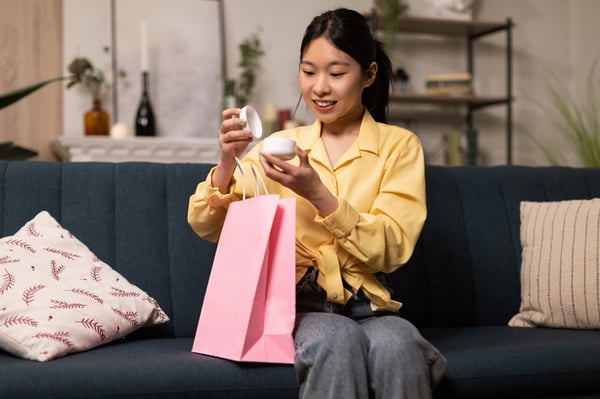
If you’re the parent of a teen, don’t be surprised if their holiday wish list this year includes serums, toners, masks, and a slew of other fancy skincare products. Today’s kids flock to social media “experts” for advice on how to achieve a clear, glowing (even glassy) complexion, and no matter how young these influencers are, their recommendations become must-haves.
But as you begin your holiday shopping, it’s important to keep in mind that a 12-year-old’s suggestions on TikTok might not be what’s best for your child’s skin. In fact, some products could make young skin worse. We’ll provide some guidance on what teens actually need in a skin care regimen so you can give them gifts they’ll love without causing breakouts or irritation.
A troubling study on unnecessary skin care
This past summer, doctors at Northwestern Medicine examined 100 TikTok videos in which adolescents and teens encourage viewers to “get ready” with them as they go through their skincare routine. The kids giving these tutorials range in age from 7-18, and of course have clear, smooth skin.
As they apply an extensive regimen of trendy brand-named products (including anti-aging creams), viewers are told that this is how to achieve a desirable complexion. Most of the girls use at least six different products on their faces, and some use more than a dozen at a time.
In their report published in the journal Pediatrics, doctors from the study explain that this type of skincare regimen is not only unnecessary and expensive (averaging around $168 per month); it’s potentially damaging. Applying that many products at once carries a high risk of skin irritation and allergic reactions since kids have delicate skin, and some ingredients should not be blended together. In addition, using multiple products per day with the same active ingredients increases the risk of irritation.
What’s also concerning about these social media skin care trends is that children do not benefit from anti-aging products. Until around the age of 20, they’re still producing plenty of collagen, so they don’t need gels and creams that promise to tighten skin or eliminate fine lines. Instead, teens should prioritize sunscreen to protect their fragile skin from UV rays—which can prevent future wrinkles from forming. However, sunscreen was only mentioned in about a quarter of the TikTok videos reviewed.
What do teens need in a skincare regimen?
No matter how convincing these influencers can be, young skin is not that complicated to care for. Children who are not dealing with acne only need three things:
- A gentle cleanser to remove dirt, oil, and makeup
- An oil-free, lightweight moisturizer to maintain a healthy skin barrier
- A mineral sunscreen with an SPF of 30 for UV protection
If acne is an issue, an over-the-counter cleanser with salicylic acid or a low-percentage spot treatment of benzoyl peroxide can be added. Of course, if your teen continues to struggle with breakouts, a dermatologist can recommend a safe treatment plan.
Are there skincare products teens should avoid?
Unless they’ve seen a dermatologist and he or she recommends otherwise, there are certain ingredients that teens just shouldn’t put on their faces. If you see any of the following in a product your child has asked for, it’s best to scratch it off of their wish list.
- Retinol, which can over-dry the skin and damage the skin barrier, causing irritation, breakouts and even long-term damage when used in high doses.
- Alpha- and beta-hydroxy acids (listed as AHAs and BHAs), which can strip the skin and lead to redness, peeling, and increased sun sensitivity.
- Vitamin C (listed as L-ascorbic acid). It boosts collagen production, and since teens produce plenty, it’s not worth the potential irritation.
- Niacinamide in high concentrations. While it has anti-inflammatory properties that help reduce acne and rosacea breakouts, it’s best in low doses (single digit percentages) to prevent drying.
- Fragrances. Many ingredients that make skin care products smell good cause allergic contact dermatitis.
And while self-care masks, exfoliating scrubs, dew drops, and shimmering sprays all sound fun to young people, they can sometimes cause allergic reactions. Be sure to check active and inactive ingredients for potential irritants, and if you aren’t sure, you can always talk to your dermatologist about what they would recommend or avoid.
Skincare gifts that are great for teens
Chances are your teen’s wish list will shrink quite a bit after eliminating products with harsh ingredients, but that doesn’t mean you can’t give them gifts that will improve their complexion. We recommend these safe, effective skincare products to our young patients year-round. Wrap them up or throw them in a stocking for gifts your child will appreciate as soon as they see the results.
CeraVe Daily Skincare Essentials Kit
One of the most-recommended brands by dermatologists, this packaged set includes CeraVe’s gentle foaming cleanser and daily moisturizing lotion. If your teen has acne-prone skin, there’s also a gift set that contains a safe acne cleanser.
Cetaphil Winter Essentials for Sensitive Skin
This festive box comes with facial wash that cleans without stripping and a moisturizer that hydrates without clogging pores. It also includes disposable cleansing cloths that are great for using on-the-go.
Excelin Extra Strength Hand Therapy
From our own line of skin care products, this quickly absorbed hand cream works deep to protect moisture, relieve itchiness, and soothe dry, chapped hands. And it doesn’t leave hands greasy, so it would be fine to apply in the morning before school, for example.
Laroche Posay Daily Facecare Essentials Gift Set
Another brand we trust that’s fragrance-free and allergy-tested, this travel-sized set includes all three steps of our recommended daily skin care regimen: Toleriane Purifying Foaming Facial Cleanser, Toleriane Double Repair Face Moisturizer, and Anthelios Ultralight Fluid Sunscreen.
EltaMD UV Clear Broad-Spectrum SPF 46
Sunscreen is a must-have to protect young skin, and EltaMD UV Clear is great for acne-prone skin. It is available in clear or tinted form, and contains zinc oxide and octinoxate, making it both a chemical and physical sunscreen.
Pimple Patches
When big ugly zits pop up, teens want them gone fast. Pimple patches work by absorbing oil and pus so blemishes appear smaller and flatter. They also prevent kids from picking at pimples to minimize the chances of scarring. While the patches don’t work for cystic or persistent acne, they’re great for occasional breakouts that are close to the skin’s surface (the ones where you can see the pus just underneath the skin, or that have whiteheads). Older teens will appreciate flesh colored patches such as Mighty Patch, while younger teens or those who aren’t afraid to stand out will love bright patches such as Starface.
Salicylic Cleanser or Pads
If your child has occasional breakouts, it’s probably time to introduce salicylic acid (SA) into their cleansing routine. It removes pore-clogging dead skin cells and reduces inflammation, and is less drying than benzoyl peroxide (although benzoyl is okay when used as a spot treatment). Teens should wash with SA in the evenings, especially after sweating while playing sports. Our suggestions include Cerave SA cleanser, Neutrogena Oil-Free Acne Wash with SA, and Paula’s Choice Pore Normalizing Cleanser (for sensitive skin). You could also throw a pack of Neutrogena Rapid Clear Acne Face Pads in their stocking.
How to talk to your teen about marketing pressure and self-esteem
Being bombarded with potentially harmful products is definitely a downside to social media, but we see it as a plus that teens are now taking so much interest in caring for their skin. It may be hard to convince your child that what they see on their “for you” page isn’t what’s best for them. We have a suggestion for how to keep the conversation positive.
Instead of saying “you don’t need that” when they tell you they want Watermelon Dew Drops or an Electrolyte Waterfacial, begin by asking them what their skin concerns are. What is it about the product they like, and what are they hoping it fixes? From there, you can explain that there are alternative, safer products recommended by doctors that can address those issues without irritating their skin.
If your teen seems overly concerned or anxious about their appearance, it may be time to see a dermatologist, or in some cases, a psychologist or therapist who specializes in body image concerns in teens. Beauty videos on social media have been known to contribute to lower self-esteem in teens, and it’s better to address mental health before it spirals.
The best gift you can give to your teen is a visit to the dermatologist
Every teenager is different, and so is their skin. To make sure your child is getting exactly what they need in a skin care routine, it’s best to make an appointment with a dermatologist. We will perform an exam, ask about skin sensitivities, and discuss their specific concerns. In the end, there’s no better gift for a teen than to walk away knowing they have all the right tools to achieve healthy, beautiful skin.
Related Articles acne - skincare products - teen skin care -
Sun Safety Simplified: The Dermatologist-Approved Way

Top Rosacea Skincare Products Dermatologists Recommend

Insider Secrets: A Dermatologist’s Personal Skincare Routine – Dr. John DeSpain

Insider Secrets: A Dermatologist’s Personal Skincare Routine – Dr. Robert Dazé
Insider Secrets: A Dermatologist’s Personal Skincare Routine – Dr. Rachael Bush