We tend to talk about skin aging as if it’s a single story with one timeline, one set of rules, one solution. A wrinkle is a wrinkle, sagging is sagging, and “anti-aging” should work everywhere, right?
Not quite.
Skin ages like a novel: Some chapters are fast-paced, others unfold slowly, and a few hide their twists until later. The eyes crinkle first. The neck seems to lose firmness overnight. Hands can betray age even when the face looks refreshed. And the body? Signs of aging often develop gradually, only becoming noticeable once structural changes have already set in.
In cosmetic dermatology, this isn’t a surprise. Skin doesn’t age uniformly because skin isn’t uniform. The face, neck, and body differ in skin thickness and structure, including the depth of the dermis, collagen density, underlying fat support, sun exposure, and how much the skin moves. Those differences shape how aging appears—and how it should be treated.
Understanding skin aging by body area helps explain why a treatment that looks stunning on the face may fall flat (or backfire) elsewhere, and why personalized, region-specific care is the cornerstone of natural-looking results.
Skin aging by body area
From a biological standpoint, skin is a complex organ made up of layers—epidermis, dermis, and subcutaneous fat—but the composition of those layers varies dramatically on the body.
Several key factors influence how the signs of aging affect skin in different areas of the body:
Skin thickness
Skin thickness varies by body region, especially in the dermis, where collagen and elastin provide support. Thinner skin, like around the eyes or neck, has less buffer against age-related collagen loss, so fine lines and sagging appear sooner. Thicker skin on the body tends to age more slowly, often showing surface changes as sagging or texture differences rather than fine wrinkles.
Collagen and elastin density
Collagen gives skin strength, while elastin lets it snap back. These fibers aren’t evenly distributed: facial skin is dense but delicate, responding well to cosmetic dermatology treatments, while the neck has less collagen and elastin, losing firmness faster and needing different approaches.
Fat distribution and support
Underlying fat helps skin look youthful. Facial fat compartments provide contour, but with age they shrink and shift—even if weight stays the same. The neck has less fat, and areas like hands and arms have minimal cushioning, which makes hollowing, sagging, or crepiness more noticeable.
Cumulative sun exposure
Sunlight is a major driver of aging, but its effects vary by area. The face, neck, chest, and hands get the most UV exposure, which speeds collagen breakdown, disrupts pigmentation, and weakens skin structure, leading to earlier and more noticeable signs of aging.
Repetitive movement and muscle activity
Frequent movement folds skin along the same lines, gradually turning dynamic wrinkles into permanent ones—hello, smile lines! The neck, constantly bending and turning, develops horizontal lines and banding. Less mobile areas of the body show fewer fine lines but may sag or loosen over time.
Vascular and lymphatic differences
Blood flow and lymphatic drainage affect skin tone, healing, and swelling. The face is well supplied with blood flow and drains efficiently, which supports repair and reduces puffiness. The neck, hands, and extremities have less circulation and lymphatic support, so changes appear more slowly, and swelling or texture differences may linger. This is one reason treatments that work on the face can be less effective elsewhere.
For all these reasons, today’s cosmetic dermatology doesn’t treat “skin” in the abstract—it treats skin in context.
Facial skin: Expressive, delicate, and highly-dynamic
If your skin were a book, the face would be the most detailed, expressive chapter—and that’s why it’s often the first place people notice aging.
What makes facial skin unique:
- Thinner dermis in certain areas (especially around the eyes)
- High concentration of facial muscles attached directly to skin
- Distinct fat compartments that shrink or shift over time
- Constant exposure to UV radiation
These features explain why facial aging often shows up as:
- Fine lines and wrinkles
- Volume loss in the cheeks and temples
- Changes in facial contours
- Uneven tone and texture
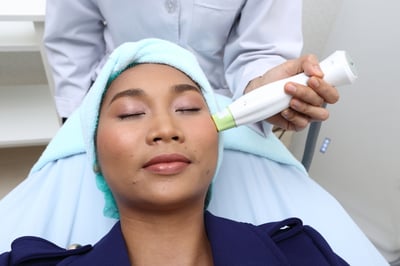
This is why modern dermatologist anti-aging treatments for the face often combine approaches like neuromodulators like BOTOXⓇ Cosmetic, fillers, collagen-stimulating treatments, chemical peels, and laser therapies to address movement, structure, and surface health together.
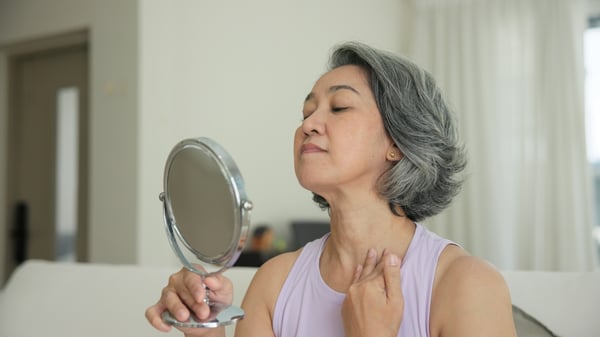
The neck: Thinner skin, less support, faster aging
If the face ages in chapters, the neck ages in plot twists.
Compared to the face, the neck has:
- Thinner skin
- Fewer oil glands
- Less collagen and elastin
- Minimal structural fat support
It’s also constantly in motion, turning, bending, and increasingly, looking down at screens. This repetitive movement contributes to horizontal neck lines and sagging skin.
Sun exposure plays a major role here, too. The neck is often left unprotected, even by diligent sunscreen users, making it especially vulnerable to photoaging, which accelerates collagen breakdown.
Cosmetic dermatology approaches to the neck tend to emphasize:
- Skin tightening and collagen stimulation
- Gentle light therapy
- Subtle injections that ease the neck’s “cords,” giving a smoother, more youthful look
- Gradual, layered improvement rather than instant change
Body skin: Thicker, slower, and structurally different
Unlike the face and neck, the body ages like a hidden subplot—subtle at first, but impossible to ignore over time. Key differences include:
- Thicker dermis, so wrinkles appear more slowly
- Higher collagen content delays sagging and fine lines
- Skin is drier over time leading to texture changes and crepiness
- Larger surface area with variable sun exposure
Hands, chest, arms, knees, and feet all age differently. Thin skin, little underlying fat, sun exposure, and movement make veins, lines, and crepiness more visible over time, showing that each area tells its own story.
Body-focused cosmetic dermatology treatments often prioritize:
- Dermal fillers in areas where fat is minimal (e.g., hands)
- Chemical peels to improve skin texture
- Lasers to resurface rough or crepey skin
- Microneedling for skin rejuvenation
- Skin tightening treatments
Dermatologists can also recommend prescription-strength topical treatments to help slow or improve signs of aging. These may include retinoids, which boost collagen and cell turnover; antioxidants, which protect against environmental damage; and specialized creams for pigmentation or texture. Used consistently, these medically guided options can complement in-office procedures and help maintain smoother, firmer, more youthful-looking skin across the face, neck, and body.
The big picture: Personalized care for natural results
Aging is not a flaw—it’s a process. But how that process unfolds depends on where you’re looking.
Understanding how the face, neck, and body age differently helps shift the conversation away from blanket solutions toward thoughtful, personalized care. At Forefront, our board-certified dermatologists approach treatment planning as a map, not a menu. When treatments are tailored by region and guided by anatomy, biology, and current research, the results speak for themselves.
Learn more by booking with our team. Find a Forefront Dermatology location near you today.
Related Articles anti-aging - cosmetic dermatology - dermatologist anti-aging treatments - skin - skin aging by body area -

Neurotoxins for Men: What “Natural Results” Actually Mean

Lasers vs. Photofacials vs. Peels: Which Skin Resurfacing Option Is Right for You?

Is “Glass Skin” Good or Bad?

Curious About Aesthetics, But Overwhelmed By All the Options? Here are the 5 Most Popular Cosmetic Treatments for 2026
Fixing “Ozempic Face”: Addressing Facial Volume Loss the Healthy Way