
Herpes Simplex
in Fond du Lac, WI
What are cold sores?
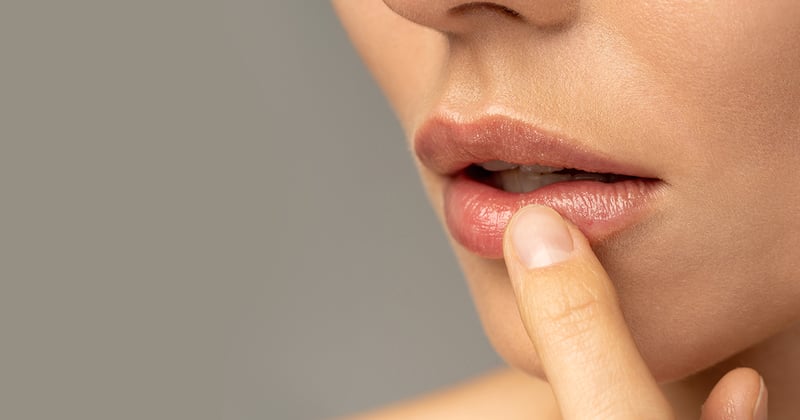
If you’ve ever had a cold sore, you know how painful, annoying, and embarrassing they can be. A cold sore is an oral infection caused by the herpes simplex virus (HSV). Also known as fever blisters or oral herpes, cold sores appear as fluid-filled blisters on, around, or inside your mouth. After the blisters break, scabs form that can last for several days. It usually takes 2-3 weeks for cold sores to fully heal.
BOOK NOWCold sores vs. herpes: Are they the same?
When most people hear the word herpes, they think of genital herpes, but cold sores are a form of herpes too.
The herpes simplex virus (HSV) has two types. Type 1 typically results in oral herpes while Type 2 causes genital herpes. It’s possible, however, for either HSV-1 or HSV-2 to show up as a cold sore or a genital blister. Other, less common types of herpes may affect the eyes, skin, or other body parts.
Once infected with HSV, you will have the virus for the rest of your life. Most of the time, however, it is inactive, living dormant within your nerve cells. You may have only a single outbreak in your life, or you may have frequent flare-ups. Some people carry the virus and never develop symptoms.
How does oral herpes spread?
Oral herpes is highly contagious even when it can’t be seen. Those with the virus, whether they have an active cold sore or not, can spread herpes simplex virus through close physical contact such as:
- Kissing
- Oral sex
- Touching the skin near their mouth
- Sharing cosmetics or personal hygiene items
- Sharing cups, straws, or utensils
An estimated 50-80 percent of adults have oral herpes, and 90 percent of adults are exposed to the virus by age 50.
Cold sores may seem to come out of nowhere, but some common triggers can lead to an outbreak:
- Stress
- Fever
- Upper respiratory infections
- Sun exposure
- Medications that weaken the immune system
- Hormonal changes such as menstruation
- Injury or trauma to the mouth area
If you develop symptoms, your first outbreak is often your worst. Recurring outbreaks are usually milder as your body builds antibodies to the herpes simplex virus.
What are common cold sore symptoms?
Cold sore symptoms, or herpes simplex virus symptoms, may not begin for up to 20 days after exposure to the virus. They often follow this pattern:
- Initial redness, swelling, itching, or pain develop in the area where the infection will erupt
- Fluid-filled blisters appear on, around, or inside your mouth (both the
- fluid and blisters are highly contagious)
- The blisters leak fluid and become sores
- After 4-6 days, the sores begin to crust over and start to heal
During a first-time outbreak, you might also experience:
- Painful gums
- Sore throat
- Fever
- Headache
- Muscle aches
- Swollen lymph nodes
How is herpes simplex diagnosed?
Oral herpes is often confused with other infections, including allergic reactions. Your Forefront dermatologist should be able to diagnose cold sores based on the location and appearance of your blisters. We can also analyze a sample in our lab to confirm the presence of the herpes simplex virus.
When do I need herpes simplex treatment?
Cold sores generally clear up without treatment, but many over-the-counter products offer relief and speed up healing. Antiviral creams, ointments, and balms, especially those containing lidocaine or benzocaine can numb the area and ease burning and itching.
It is time to visit a dermatologist if:
- Your symptoms are severe
- The sores don’t heal in two to three weeks
- You get cold sores frequently
- The sores have spread to other parts of your body such as your eyes, hands, or genitals
A Forefront dermatologist will confirm your diagnosis and may recommend a prescription-strength medication such as:
- Topical antiviral cream
- Oral antiviral pills
- Antibiotics to treat any secondary bacterial infections
- Pain medication
Prescription creams and medications can help you heal faster than those available at the drugstore—especially if you start treatment at the first sign of an outbreak. They can also reduce the frequency, length, and severity of your cold sores in the future.
While cold sores are healing, it’s important to protect them from the sun. We recommend wearing a lip balm with 30 SPF or higher. If you wear lip balm year-round, it could also help prevent new cold sores.
Need a herpes simplex examination?
Forefront can help you with cold sores and other signs of a herpes simplex outbreak. Find a location near you and schedule a consultation today.
1 Location in the Fond du Lac, WI area
Booking an appointment has never been easier.
Available 24/7.