

Skin Tags
in De Pere, WI
What are skin tags?
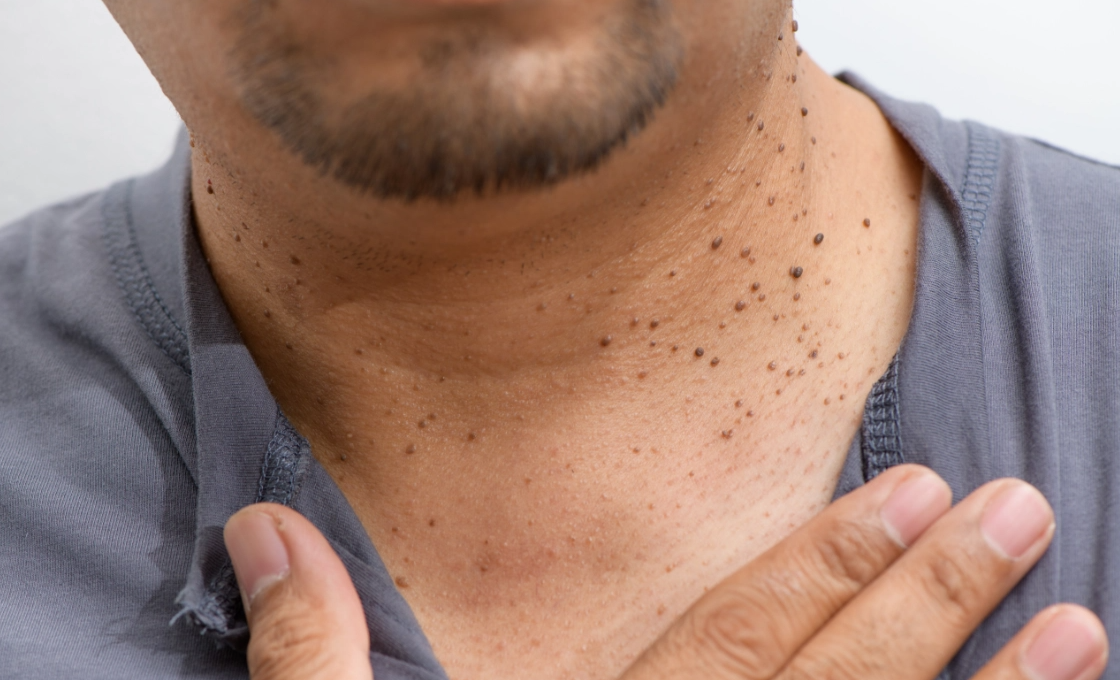
Skin tags are noncancerous growths that develop on the folds of your skin. They look like a flap of skin tissue that hangs from a tiny stem connected to the skin. Skin tags are usually the same color as the rest of your skin, but they can also appear slightly darker in color. The medical term for skin tags is acrochordons.
Skin tags are generally small and aren’t painful, although they can become irritated if they rub against jewelry or clothing. Most of the time, skin tags do not require treatment, but they can be removed if they are bothersome. It’s estimated that nearly half of all adults develop at least one skin tag in their lifetime.
SCHEDULE NOWWhat causes skin tags, and where can skin tags occur on your body?
The specific cause of skin tags is unknown, but one possibility is that they form as a result of skin irritation caused by friction—either from skin folds rubbing together or against clothing. They can also form when extra cells are produced in the top layers of skin.
Skin tags can occur anywhere on your body, but are found most often on these parts of the body:
- Neck
- Armpits
- Eyelids
- Inner thighs
- Under the breasts
- Groin
What are the risk factors for skin tags?
Although anyone can develop skin tags, the chances of developing skin tags increase with age. They’re also more common in people who are overweight or those with Diabetes. Hormonal changes, such as those that happen during pregnancy, can also increase your likelihood of getting a skin tag. A family history of skin tags also increases your chances of having them.
Treatment for skin tags
Skin tags are harmless, and most don’t need treatment. Some skin tags may even fall off on their own. If you’re bothered by their appearance or if they cause discomfort from rubbing against clothing or getting caught on jewelry, they can be removed. Your board-certified Forefront dermatologist can remove a bothersome skin tag using any of these skin tag removal procedures:
- Freezing the skin tag with liquid nitrogen, a procedure called cryotherapy
- Using cauterization to burn the skin tag off
- Surgically removing larger skin tags using surgical scissors or another sharp instrument
- Tying a piece of string or dental floss around the skin tag, cutting off the blood supply until it falls off
After removal, the area should be kept clean, moist, and covered. To prevent drying out, you can apply a thin layer of petroleum jelly and cover it with a non-stick bandage. Your Forefront dermatologist will provide you with specific aftercare instructions.
Should you remove skin tags yourself?
You should never remove skin tags on your own. Over-the-counter products and home remedies to remove skin tags aren’t always safe and can increase your risk of scarring, bleeding, infection, and damage to the surrounding skin. It’s much safer to have skin tags removed by a dermatologist who has the training and skills to do it properly.
Can skin tags grow back?
Skin tags usually don’t grow back after removal. However, it’s possible to develop new skin tags on other areas of your body. If a new skin tag forms on the same part of the body after removal, you’re likely prone to developing them in that specific area.
What other skin conditions look like skin tags?
If you have skin tags, it’s important to receive a diagnosis from a board-certified dermatologist. Sometimes, what looks like a skin tag may be another condition, such as a wart, mole, seborrheic keratosis, or even skin cancer. A visual exam and evaluation will diagnose skin tags and rule out other skin conditions, helping your dermatologist determine the best treatment plan
Can you prevent skin tags?
Although you can’t prevent skin tags, you can reduce your risk of developing them by following a few simple steps. Avoid wearing tight clothing or jewelry that rubs against the skin. Reducing this friction may help keep new skin tags from forming. You can also exercise regularly and eat a healthy diet to reduce your risk of developing Diabetes or obesity, two factors linked to the development of skin tags.
Skin tag treatment at Forefront
If you’re concerned about skin tags, visit an experienced, board-certified dermatologist at Forefront Dermatology. You will receive a diagnosis and learn more about skin tag treatment options. Find a location and schedule your appointment today.
1 Location in the De Pere, WI area
Scheduling an appointment has never been easier.
Available 24/7.