
Shingles
in Cumming, GA
What causes shingles?
Shingles is a nerve infection that triggers a painful rash. It’s caused by varicella zoster virus (VZV), also known as the chickenpox virus. After someone has chickenpox—as most children did prior to the chickenpox vaccine—the virus lies dormant in certain nerves for decades. When the virus reactivates without warning, shingles can occur.
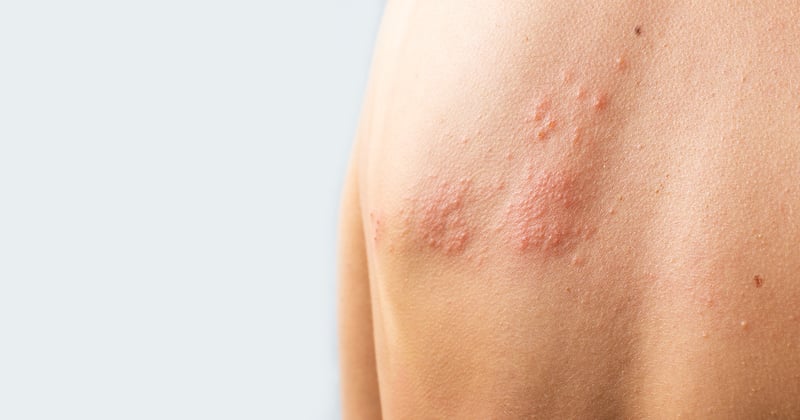
A shingles rash can appear anywhere, but typically appears on only one side of the face or body. The rash consists of small blisters that typically scab over in 7-10 days. Most shingles rashes clear up in a few weeks, but the pain can continue for months or even years.
BOOK NOWWho is at risk of getting shingles?
Anyone who has had chickenpox can develop shingles, although it is more common in:
- People over 50, and the risk continues to increase with age
- People with compromised immune systems, such as those with HIV/AIDS and certain cancers like leukemia or lymphoma
- People who have recently had a bone marrow or organ transplant
- People who take medications that suppress the immune system, such as steroids and chemotherapy
What are shingles symptoms?
Several days before the rash appears, you may experience pain, sensitivity, tingling, or itching in the area where it will develop.
Usually, the rash is a single stripe around the left or right side of your face or body. In rare cases, the rash may be more widespread and look similar to a chickenpox rash (especially in people with weakened immune systems). The rash begins as small, red spots and turns into blisters in a matter of days.
Other early symptoms of shingles include:
- Feeling ill
- Upset stomach
- Fever
- Chills
- Headache
The symptoms of shingles may look like other medical conditions at first, so it’s important to contact a Forefront provider for prompt diagnosis.
Is shingles contagious?
Shingles cannot be passed on to anyone who has had chickenpox.
However, if you have a shingles rash, any direct contact with the fluid from your blisters can spread VZV to people who never had chickenpox or never received the vaccine. If they get infected, they will develop chickenpox, not shingles, but they could develop shingles later in life.
To prevent spreading VZV to others, rashes should always be covered while they heal. The shingles virus cannot be spread before blisters appear or after they crust over.
Most people only get shingles once, but it is possible to get it again.
How is shingles diagnosed?
A knowledgeable Forefront dermatologist will likely recognize shingles right away based on the unique appearance of the rash. They will also ask about your medical history, specifically if you’ve ever had chickenpox. If necessary, a tiny bit of fluid from a blister can be tested to check if it contains the virus.
What is involved in shingles treatment?
There is no cure for shingles, so treatment focuses primarily on pain relief. Your provider will likely prescribe one of three antiviral medications (acyclovir, famciclovir, or valacyclovir) for shingles pain. These medications can:
- Decrease symptoms and the severity of the rash
- Reduce the amount of time that the rash is present
- Lower the risk of long-term nerve damage
Other treatments for shingles include:
- Creams or lotions to relieve itching
- Corticosteroids to reduce inflammation
Applying a cold compress or using calamine lotion on the affected skin area can also help as the virus runs its course.
1 Location in the Cumming, GA area
Booking an appointment has never been easier.
Available 24/7.