
Ringworm
in Libertyville, IL
What is ringworm?
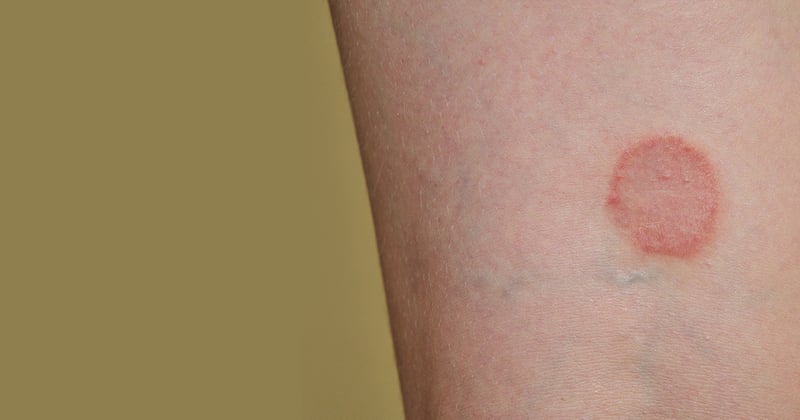
Ringworm is a common skin condition that appears as an itchy, circular rash. Despite its name, it is not caused by a worm but by a type of fungus called dermatophytes. Ringworm often appears as a red, itchy, circular rash with clearer skin in the center, giving it a ring-like appearance. It’s this distinctive ring that gives the condition its name.
BOOK NOWWhat causes ringworm?
Ringworm is a rash that affects people of all ages, especially children. The condition is caused by a fungal infection and is very contagious, usually affecting the skin, scalp, or nails. You can catch ringworm if you touch another person or animal (primarily cats, dogs, or rodents) with the infection. You can also get ringworm if you come in contact with something contaminated by the fungus, such as unwashed clothing or towels.
What are the types of ringworm?
The fungus that causes ringworm is very common. When it grows on your feet, it’s called “athlete’s foot.” When it affects your groin, upper thigh, or buttocks, it’s often called “jock itch.” When it grows anywhere else on your body, such as your scalp, beard, hands, or fingernails, it’s known as “ringworm.”
What are the symptoms of ringworm?
Ringworm symptoms typically appear four to 14 days after exposure to the fungus. The rash usually begins as a red, scaly patch or bump and develops into a ring pattern over time. The rings may have raised, scaly, or bumpy borders with a clear center. The skin affected by ringworm may crack, flake, or peel. The rash may also itch, sting, or burn.
Ringworm of the scalp or beard often looks like round, bald patches. It can also appear as dandruff, patches of black dots (the stubble of broken-off hairs), or red, swollen, crusty areas with small bumps that look like blisters.
Sometimes, ringworm of the scalp causes a pus-filled mass known as a kerion. When your scalp is infected, you may also have swollen lymph nodes in your neck or near the back of your head.
What are the risk factors?
You’re more likely to develop ringworm if you:
- Have close contact with an infected person or animal
- Share personal items (such as clothing, towels, hairbrushes, or bedding) with someone who has a fungal infection
- Participate in sports with frequent skin-to-skin contact, such as football or wrestling
- Wear tight or restrictive clothing
- Live in a warm climate
- Have certain health conditions, such as diabetes or obesity
- Have a weak immune system
Fungal infections like ringworm rarely spread below the surface of the skin or cause serious illness. However, people with weak immune systems (such as those with HIV/AIDS) may have difficulty getting rid of ringworm.
How can I prevent ringworm?
You can help prevent ringworm by:
- Washing your hands often
- Keeping shared areas clean (especially bathrooms)
- Washing sports gear and uniforms frequently
- Avoiding animals with patches of missing fur
- Never sharing personal items with others
How is it diagnosed?
Visiting a dermatologist is key to diagnosing ringworm. In addition to checking the infected area, your Forefront dermatologist will examine the rest of your body to confirm the fungus has not spread. We may also send a tiny sample of your infected skin, hair, or fingernail to the lab for confirmation.
How do dermatologists treat ringworm?
If over-the-counter antifungal products don’t provide enough relief, your Forefront dermatologist can prescribe an antifungal medicine. Mild cases of ringworm often respond well to antifungal creams or ointments, which are applied directly to the skin. More severe ringworm cases may require taking antifungal pills for several weeks.
Be sure to use the medicine for as long as recommended, even if your rash seems to be getting better. Otherwise, the infection can come back and spread to other parts of your body.
Ringworm can recur, especially if the underlying cause is not addressed.
At Forefront, our commitment to providing quality care includes treating rashes and other unexpected skin conditions. You don’t have to struggle with discomfort or embarrassment any longer – relief from ringworm is just a phone call or click away.
Find a Forefront location near you today to book a consultation.
2 Locations in the Libertyville, IL area
Booking an appointment has never been easier.
Available 24/7.